When your area changes, your method of finding a band also changes

Search for "band member recruitment" and you'll mostly get results from Tokyo. But Osaka has Osaka's scene, and Nagoya has Nagoya's scene. The atmosphere of live houses, studio rates, and how members gather are all different.
I moved to Tokyo in my 20s and performed in bands based at Mandala in Kichijoji. I also frequented UZU in Fussa and made band friends all over Tokyo. When I started applying to member recruitment posts again in my 50s, I realized afresh that "the tricks to finding band members differ completely depending on the area."
In this article, I'll explain how to find band members by area, focusing on the three major metropolitan areas of Tokyo, Osaka, and Nagoya. I'll also touch on the situation in regional cities like Fukuoka, Sapporo, and Sendai, and introduce methods for finding bandmates online across regional boundaries.
Area-based band member recruitment — 3 basic principles
"Area-based band member recruitment" means changing your search strategy to match the music scene of your region or the area where you want to be active. Just posting on nationwide recruitment sites isn't enough. That's because the live house culture, studio density, and hangout spots for bandmates differ dramatically by region.
There are three basic principles to area-conscious recruitment:
| Principle | Content | Why it works |
|---|---|---|
| 1. Combine offline and online methods | Mix recruitment sites with local live house bulletin boards and personal connections | Major cities have too many options and get buried easily; regional areas rely on offline word-of-mouth |
| 2. Understand the area's music culture | Know which cities are strong in jazz, punk, or session culture | Bands that don't fit the scene struggle to gather members |
| 3. Calculate commute costs | Decide on practice locations and transportation to live venues beforehand | Most member candidates quit because they "can't commute" |
With these three principles in mind, let's look at the specific characteristics and recruitment methods for each area.
Band activity data by prefecture — Understanding area characteristics through numbers
Beyond just intuition, understanding the scale of band activity in each area based on public data makes decision-making easier. According to the Ministry of Internal Affairs and Communications' "Survey on Time Use and Leisure Activities," Japan's instrument-playing population is approximately 11.4 million. Of these, there's a heavy concentration in urban areas.
| Metropolitan area | Number of live houses (estimate) | Major music stores | Strength of instrument playing |
|---|---|---|---|
| Tokyo area (Tokyo + 3 prefectures) | 300+ venues | Multiple (Ikebe, Shibuya Gakki, Shimamura, Yamano, etc.) | ★★★★★ |
| Osaka area (Osaka + Hyogo + Kyoto) | 100+ venues | Multiple (Miki Gakki, Shimamura, etc.) | ★★★★ |
| Nagoya area (Aichi + Gifu + Mie) | 40+ venues | Several (Yamano, Shimamura, etc.) | ★★★ |
| Fukuoka, Sendai, Sapporo | 15-25 venues each | Multiple by region | ★★★ |
| Cities with less than 200,000 people | 0-3 venues approx. | Small to medium scale if any | ★〜★★ |
The number of live houses and music stores indicates the "magnetic strength" of an area where bandmates gather. The more venues, the easier it is to find band candidates. However, as I'll explain later, regional areas have their own advantages too.
Tokyo — Japan's largest band scene, infinite options
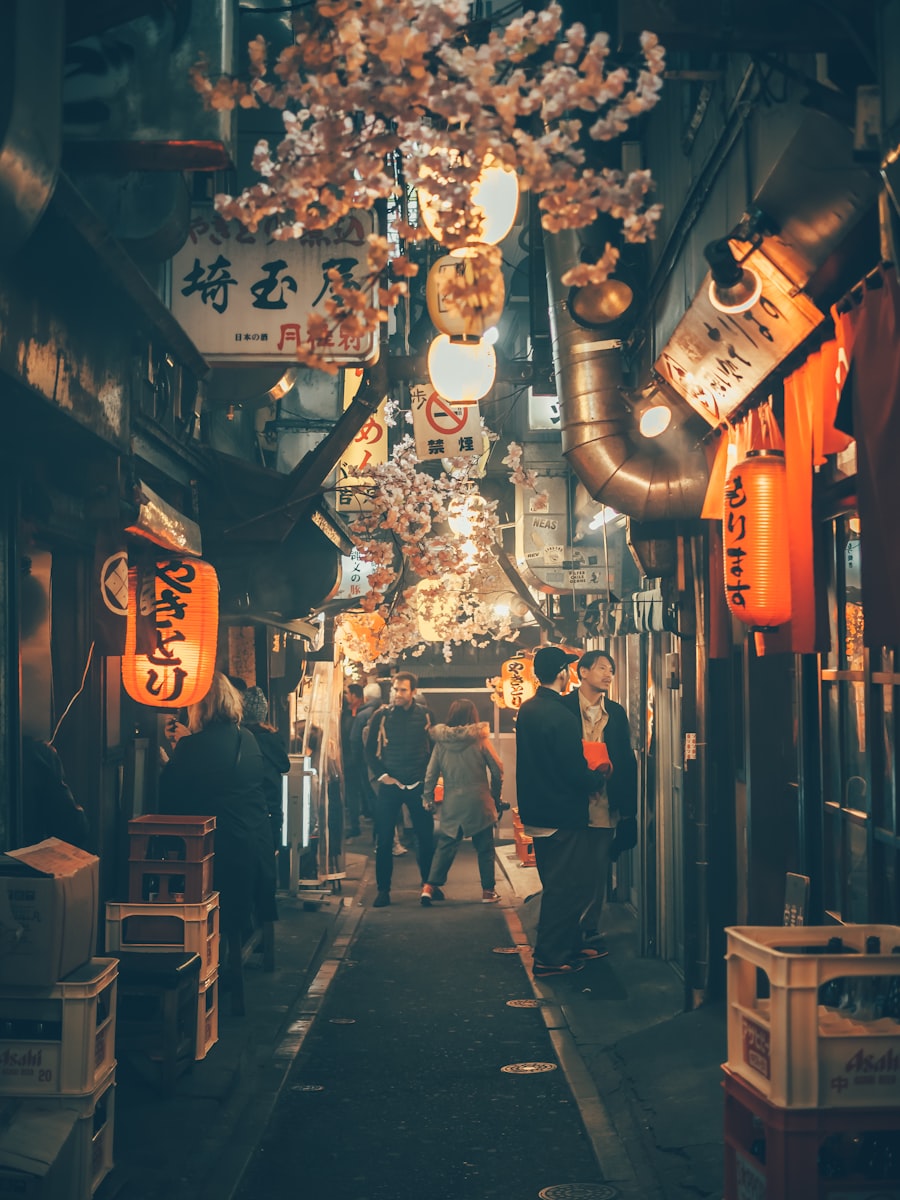
Tokyo has the most bandmates, live houses, and studios in Japan. With so many options, choosing the right search method for you is crucial.
Tokyo's main band areas
Shimokitazawa — The legendary band mecca. Live houses like SHELTER, GARAGE, ERA, and Club Que are packed tightly together. Indie rock, alternative, and guitar pop are strong here. Lots of young bands, making it ideal for finding members in your 20s and 30s.
Kichijoji — My home base. Home to Mandala, STAR PINE'S CAFE, Planet K, and Silver Elephant. Folk, blues, jazz, and world music coexist across a wide range of genres. What's distinctive about Kichijoji is its wide age range—there are many bandmates in their 40s and 50s. If you're looking for a working adult band, this is a must-visit area.
Shibuya — An area packed with long-established venues like O-EAST, O-WEST, La.mama, and eggman. Lots of pop, rock, and J-POP cover bands. Tends to attract bands with drawing power, which might be challenging for beginners. However, small live bars on side streets often have hidden gems.
Koenji — A stronghold for punk, hardcore, and psychedelic music. Has underground venues like HIGH, Muryoku Mushoji, and UFO CLUB. Since many bands here have distinct musical styles, if your genre matches, you'll find ideal bandmates.
Shinjuku — Home to LOFT, ANTIKNOCK, and MARS, Shinjuku attracts all types of bands regardless of genre. The session bars around Kabukicho are also well-developed, with many cases of jam sessions evolving into band formations.
Tips for finding band members in Tokyo
- Narrow down your area: Tokyo is vast. It's best to search in areas close to your life considering commute time to rehearsal studios. Over an hour each way will drain you with every practice session.
- Check studio bulletin boards: Major studio chains like NOAH, GATEWAY, and Sound Studio have member recruitment bulletin boards in their lobbies. If you share a studio with other people, there won't be conflicts over practice space.
- Talk to live house booking staff: If you tell them "I'm looking for members," they often introduce you to members from regular bands. Especially at smaller venues, this is common.
- Frequent session bars: There are many session bars in Shinjuku, Shibuya, and Kichijoji. There are beginner-friendly sessions, and forming a band with people you meet is a classic pattern.
Tokyo's strength is its abundance of options, but conversely, you can easily get lost in the information overload. It's most efficient to filter from the start by "area × genre × age group." Using Membo's area filter, you can display only band recruitment posts for your region.
Osaka — Band scene of vibes and human warmth
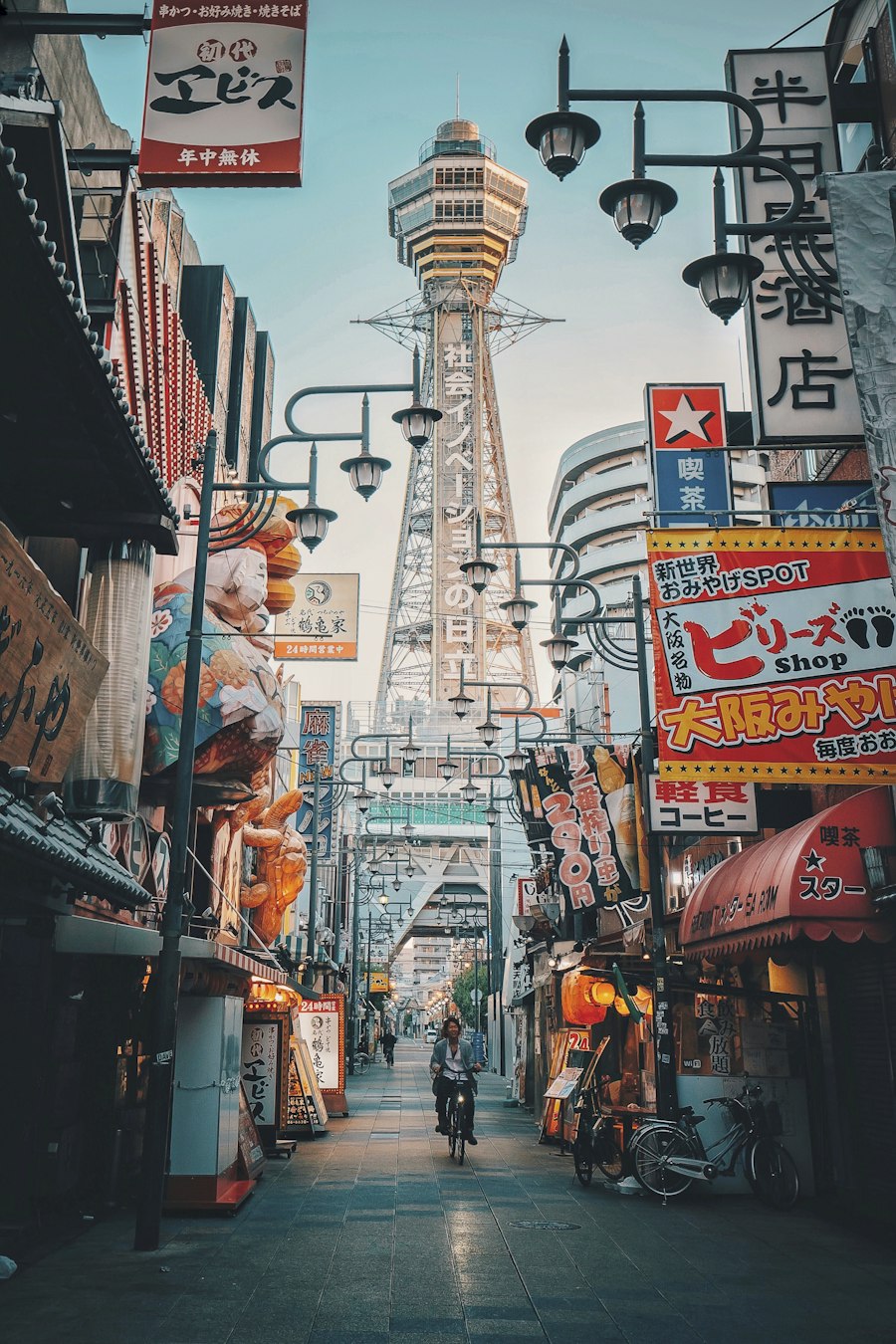
Osaka's band scene has a different atmosphere from Tokyo. In short: the distance between people is closer. The distance between bandmates, between live houses and bands, between audiences and bands—everything feels closer than in Tokyo.
Osaka's main band areas
Shinsaibashi/Americamura — The epicenter of Osaka's band scene. Dense with everything from mid-sized venues like BIG CAT, MUSE, and Club Quattro to small venues like FANJ, DROP, and Pangea. Wide range of genres, equivalent to Tokyo's Shimokitazawa.
Juso — An area representing deep Osaka. Has underground-leaning live houses like FANDANGO and Second Line. Punk, garage, and blues are strong. Juso bandmates have unusually strong horizontal connections. Once you're in the circle, members tend to be found like following a thread.
Around Umeda/Kitashinchi — Home to Shangri-La, Zeela, and umeda TRAD. Popular as a practice location for working adult bands due to good access. Many session bars around Umeda.
Tennoji/Shinsekai — An area gaining attention recently. New distinctive venues like Jukebox are appearing. Cheap rent means lower studio costs, and many student bands gather here.
Tips for finding band members in Osaka
- Go to live shows and talk to people: Osaka bandmates often enjoy being approached. The phrase "That was amazing!" leads to far more encounters than in Tokyo.
- Expand from joint performances (bills): Osaka's bands are actively exchanging with each other. It's common for someone you meet at a joint performance to introduce you by saying "Our bassist is leaving, know anyone?"
- Music store communities: Miki Gakki and Ishibashi Gakki's Osaka locations hold workshops and session events. Don't underestimate connections made here.
- Studio rates are cheaper than Tokyo: Some studios charge under 500 yen per hour for solo practice. You can easily increase practice frequency, making band activity sustainable.
The biggest tip for finding members in Osaka is "go to the venue first." Don't try to complete everything online—visit live houses and sessions. Osaka's band scene runs on face-to-face relationships.
Nagoya — Band culture that evolved in its own unique way

Nagoya gets called "Nagoya bypass" sometimes, but its band scene has evolved uniquely. There are surprisingly many famous bands from Nagoya. BUMP OF CHICKEN (active in Nagoya though from Chiba), Chatmonchy, ORANGE RANGE—bands that started in Nagoya's live houses are countless.
Nagoya's main band areas
Imaike — The sacred ground of Nagoya's band scene. Historic venues like HUCK FINN and BOTTOM LINE are concentrated here. The birthplace of Nagoya-style visual kei, still attracting hardcore music fans.
Sakae — Home to DIAMOND HALL, Apollo Base, and VIO, Nagoya's entertainment district. Good access and wide genre range. Studios are concentrated around Sakae, making the rehearsal-to-live flow convenient.
Osu — The subculture district. More small live bars and cafe lives are appearing. Many acoustic and pop bands.
Tips for finding band members in Nagoya
- Nagoya's community is tight-knit, making connections easier: Compared to Tokyo and Osaka, there are fewer absolute numbers of bandmates, so once you show up, people remember you as "that person." Three visits to the same live house and you're a regular.
- Studio session events: Studios like Studio 246 and ACB STUDIO regularly host session events. In Nagoya, these studio-organized events are a major channel for member recruitment.
- Nagoya's unique "band circle" culture: Multiple bands gather to form one circle and hold regular joint performances. Joining a circle makes member recruitment information circulate.
- Tours and exchanges with Tokyo/Osaka: Nagoya bands often do Tonameshukan tours (Tokyo→Nagoya→Osaka) exchanging with bands from other areas. This network can lead to finding members outside your region.
Nagoya's appeal is its "just right size." Not as competitive as Tokyo, not as intense as Osaka. It's comfortable for people wanting to continue bands at their own pace.
Other major cities — Fukuoka, Sapporo, Sendai
Beyond the three major metropolitan areas, there are many cities with distinctive band scenes.
Fukuoka
Home to NUMBER GIRL and Shiina Ringo. The Tenjin/Daimyo area is packed with live houses like DRUM LOGOS, DRUM Be-1, and Qublick. Fukuoka has its own culture called "Hakata-ben rock." Distance between bandmates is close, with a scene similar to Osaka in its human warmth. Bandmates from across Kyushu gather, so the pool of candidates is surprisingly large.
Sapporo
Birthplace of bands like EASTERN YOUTH and bloodthirsty butchers. Home to PENNY LANE 24 and BESSIE HALL. The biggest challenge is the harsh winter commute. However, this creates stronger bonds among bandmates. Sapporo bandmates have a strong sense of "comrades who survived winter together."
Sendai
Famous for MONGOL800 live performances, home to Junk Box, enn 2nd, and 3rd. The hub city for bandmates from the Tohoku region. Sendai has a thick layer of student bands. With many universities and active light music club activities, many adult bandmates continue from their student days.
What's common to regional cities is scarce online information. In Tokyo and Osaka, recruitment sites get daily posts; in regional cities, there might only be a few posts a week. That's why offline connections (live houses, studios, sessions) become crucial.
Finding band members in rural and remote areas — Locations with smaller populations
In cities and towns with less than 200,000 people, recruitment site posts get almost no responses. But you can't really form a band? That's not true. As I've written in articles about Gunma and Kumamoto, small populations mean you can build bandmates through "face-to-face distance," which is a strength.
| Rural/remote area search method | Specific actions |
|---|---|
| ① Music store bulletin boards | Go to the town's only music store and become acquainted with the staff. Ask to post your recruitment flyer. |
| ② Community center/civic hall notices | Check postings at venues where amateur bands practice. |
| ③ Local music schools | Adult music schools have people wanting to start bands. |
| ④ Light music club alumni networks | Trace local high school/university light music club alumni. Search for classmates on social media. |
| ⑤ Cross-border participation in neighboring prefectures | Participate in scenes in prefectural capitals within an hour's drive. |
| ⑥ Performances at regional events/summer festivals | Perform and music lovers naturally approach you. Raise your profile. |
The strength of rural areas is "once you're teammates, you tend to continue together." Unlike cities with many options that create fluidity, personal relationships deepen. This is a value that doesn't show in numbers.
Drummer shortage differences by area — Where are they easier to find?
A common struggle across all areas is "can't find a drummer." I've written in detail in Why is the drummer population small? - Drummer shortage reality and how to find one, but the severity of drummer shortages differs by region.
| Area | Ease of finding drummers | Reason |
|---|---|---|
| Tokyo central | ★★★★ (relatively easier) | Many music universities/schools, rehearsal studios provide practice environments |
| Osaka city | ★★★★ | Osaka University of Music and others provide professional education, many live houses offer exposure opportunities |
| Nagoya city | ★★★ | Yamaha Music School and others present; drummers gather from the Chukyo region |
| Designated cities | ★★ | Smaller population but stable core members. Word-of-mouth is crucial. |
| Regional small-medium cities | ★ (harder to find) | Housing prevents home drumming; few large drum schools |
When searching for drummers in regional areas, "target studio regular drummers" is most reliable. Tell the rehearsal studio staff "I'm looking for a drummer." Information about drummers who graduated from other bands will definitely come up.
Kansai vs Kanto vs Chukyo — Differences in bandmate temperament (from experience-based trends)
This is a "trend" based on my experience and stories I've heard from nationwide bandmates I've met in Tokyo. There are always exceptions, but I'll note the overall atmosphere:
| Area | Temperament tendency | What to keep in mind on first meeting |
|---|---|---|
| Kanto (Tokyo-centered) | Dry, business-like. Culture of clarifying conditions, genres, and activity plans first | Convey "what, how much, where" specifically in recruitment posts and initial meetings |
| Kansai (Osaka-centered) | Vibes and human warmth. Close distance through drinks first. Making people laugh is everything | Showing up once at a live house or after-party is a shortcut. Personality comes before music |
| Chukyo (Nagoya-centered) | Practical and long-term focused. Values "sustainability" over flashiness | Talk from the premise of continuous activity rather than short-term projects and you'll build trust |
| Kyushu (Fukuoka-centered) | High energy, strong camaraderie sense. Hakata-ben rock culture | Showing respect for the local scene builds distance quickly |
| Tohoku (Sendai-centered) | Sincere and reserved. Many prefer to communicate through music itself over words | Build trust slowly through music sessions and rehearsals without rushing |
| Hokkaido (Sapporo-centered) | Winter unity. Long-lasting bonds once you become teammates | Joining the live house after-party naturally brings you into the circle |
These are just "trends," and individual differences are larger. However, knowing "what matters to most people on first meeting" helps find communication entry points.
Age group × area trends — Different search methods for 20s/30s/40s and over
Beyond just area, effective search methods change by age group. This is a trend I've seen through my experience and interviews conducted while writing Complete guide to starting a working adult band.
| Age group | Search method in major cities | Search method in regional areas |
|---|---|---|
| 20s | Live house bills, university light music circles, session bars. High fluidity | Local light music circle alumni, young music store communities |
| 30s | Working adult band circles, recruitment sites. More weekend-focused activity | Coworkers with band experience, band members from regional events |
| 40s-50s | Approach former bandmates again. Working adult band circles are main stage | Adult music school classes, local/big bands |
| 60+ | Senior band circles, music school ensemble classes | Community center music circles, regional cultural festival performance groups |
When I started recruiting members again in my 50s, I realized the methods from my 20s wouldn't work. I used to find bandmates by frequenting session bars, but now time and energy are different. Choosing channels suited to your age is important.
Area-based band member search in 5 steps (practical guide)
Based on everything covered so far, here's a universal "5-step member recruitment process." Adjust the emphasis of each step based on your area's characteristics.
| Step | What to do | Area emphasis |
|---|---|---|
| Step 1: Area diagnosis | List live houses and studios within commutable distance. Include up to 1 hour by car | Rural areas broader, cities narrow to nearest station |
| Step 2: On-site reconnaissance | Visit target area live houses at least 3 times as an audience. Learn familiar faces | Major cities limit to 1-2 venues, regional areas build relationships with owners |
| Step 3: Recruitment post | Post on Membo and similar services, specifying area × genre × age group | Major cities emphasize differentiation, regional areas describe area details thoroughly |
| Step 4: Offline coordination | Studio bulletin boards, music store flyers, approach live house owners | Main stage in regional areas, session bars are parallel in major cities |
| Step 5: Sustain and adjust | If no responses in 2 weeks, rewrite recruitment post. Gradually relax conditions | Universal across all areas. Passive waiting won't move things forward |
Doing these 5 steps consistently for at least 3 months will almost certainly move something. If nothing moves, you're probably being passive somewhere. Also read 5 common traits of people who can't find band members and solutions.
Finding members across regions — Online member recruitment

"Not many band members in my area" "Just moved and don't know the scene"—online member recruitment is especially effective for these situations.
Using area filters on recruitment sites
Membo lets you filter member recruitment by prefecture or city. You can search by "Tokyo × Rock × Drummer wanted" and similar combinations, so you can efficiently find bandmates matching your conditions whether you're in Tokyo, Osaka, Nagoya, Fukuoka, Sapporo, or Sendai.
Especially for regional residents, being able to search across multiple neighboring prefectures is huge. If you live in Nagoya, expanding to Gifu, Mie, Shizuoka increases candidates.
Local search on social media
Searching X with hashtags like "#BandMemberRecruitment Tokyo" "#BandMemberRecruitment Osaka" is also effective. However, social media posts move fast, so contact immediately upon finding something.
Remote bands as an option
Since COVID, remote bands that create songs online and only gather for live shows have increased. With no regional constraints, you can join Tokyo bands while living regionally. Recording with DAW, practicing at studios—this hybrid band style will only grow.
Research the band scene at your moving destination beforehand
If you're changing areas due to job transfer or school, researching your new area's band scene beforehand helps you hit the ground running. Check Membo for recruitment in advance, and you could be in the studio the week you arrive—that's possible.
Area-by-area cost comparison
Band activity costs differ significantly by area. Here's a reference comparison:
| Item | Tokyo | Osaka | Nagoya |
|---|---|---|---|
| Studio rental (band/1h) | 2,500-4,000 yen | 1,800-3,000 yen | 1,500-2,500 yen |
| Solo practice (1h) | 700-1,200 yen | 500-900 yen | 500-800 yen |
| Live house performance quota | 15,000-30,000 yen | 10,000-20,000 yen | 8,000-15,000 yen |
| Number of bandmates | Very many | Many | Moderate |
| Recruitment activity level | Very active | Active | Somewhat limited |
As you can see, Tokyo is expensive across the board. However, the variety of options and opportunities is overwhelming. If you prioritize value for money, Nagoya is a hidden gem. Osaka offers good balance between cost and opportunity.
Membo lets you find members nationwide
Throughout this article I've covered area-specific search methods, but there's one tool that works across all regions. That's the member recruitment service Membo.
What is Membo?
Membo is a free service specializing in member recruitment for bands, theater, and circles. You can filter by prefecture or city, genre, recruitment part, and age group. Search by "Tokyo × Rock × Drummer wanted" to find bandmates efficiently. No matter if you're in Tokyo, Osaka, Nagoya, Fukuoka, Sapporo, or Sendai, you can efficiently find the perfect band members.
8-language support — Japan's only multilingual member recruitment service
Membo's biggest feature is 8-language support. It supports Japanese, English, Chinese (Simplified/Traditional), Korean, Vietnamese, Nepali, and Hindi. It also has real-time translation chat, letting members of different languages communicate in their native tongues. Tokyo and Osaka have many foreign musicians, but many were unable to connect due to language barriers. Membo breaks down that wall.
Comparison with other member recruitment services
| Service | Features | Languages supported | Cost |
|---|---|---|---|
| Membo | Map search, station specification, translation chat, privacy profile settings | 8 languages | Completely free |
| OURSOUNDS | Japan's largest—approx. 650,000 monthly visitors. Forum format | Japanese only | Free |
| bandcrew | Approx. 33,000 monthly PV. Area and genre filtering available | Japanese only | Free |
OURSOUNDS dominates in post volume but only supports Japanese; bandcrew has area filtering but is Japanese-only. Membo is the only member recruitment service supporting 8 languages, opening possibilities for meeting foreign musicians. As I wrote in How foreign musicians find band members in Japan, transcending language barriers for band formation provides tremendous musical stimulus.
Which service to use depends on your situation, but using multiple is smart. Especially if you're regional with few candidates, use all channels to cast a wide net. As I mentioned in Common traits of people who can't find band members, initiative beats passivity.
Summary — Jump into your area's scene first
Here's what area-based band member recruitment boils down to:
- Tokyo: Infinite options. Success key is filtering by "area × genre × age group." Studio bulletin boards and session bars are the two main channels.
- Osaka: Go to the scene. Three visits to a live house and you'll know people. Vibes and word-of-mouth drive the scene.
- Nagoya: The community size is just right. Studio session events and band circles are recruitment centers.
- Regional cities: Offline connections are everything. Start by becoming a regular at live houses.
- Want to cross regions: Use Membo's regional filters or remote bands.
In any area, what matters ultimately is "taking action." Gathering information online alone won't make bandmates. Go to live shows, join sessions, apply for recruitment—that first step is where everything starts.

I've met dozens of band friends through Kichijoji in Tokyo. Each encounter shaped who I am today. No matter your city, undiscovered bandmates are definitely waiting.
Check member recruitment for your area now → Membo